


A forensic deconstruction of the corporate-military nexus that crushed the 1919 German revolution. We expose the financial lifelines, technological asymmetries, and brutal suppression tactics orchestrated by industrial titans to obliterate spontaneous working-class uprisings and murder Rosa Luxemburg, securing global capitalist hegemony over the ruins of democratic socialism.
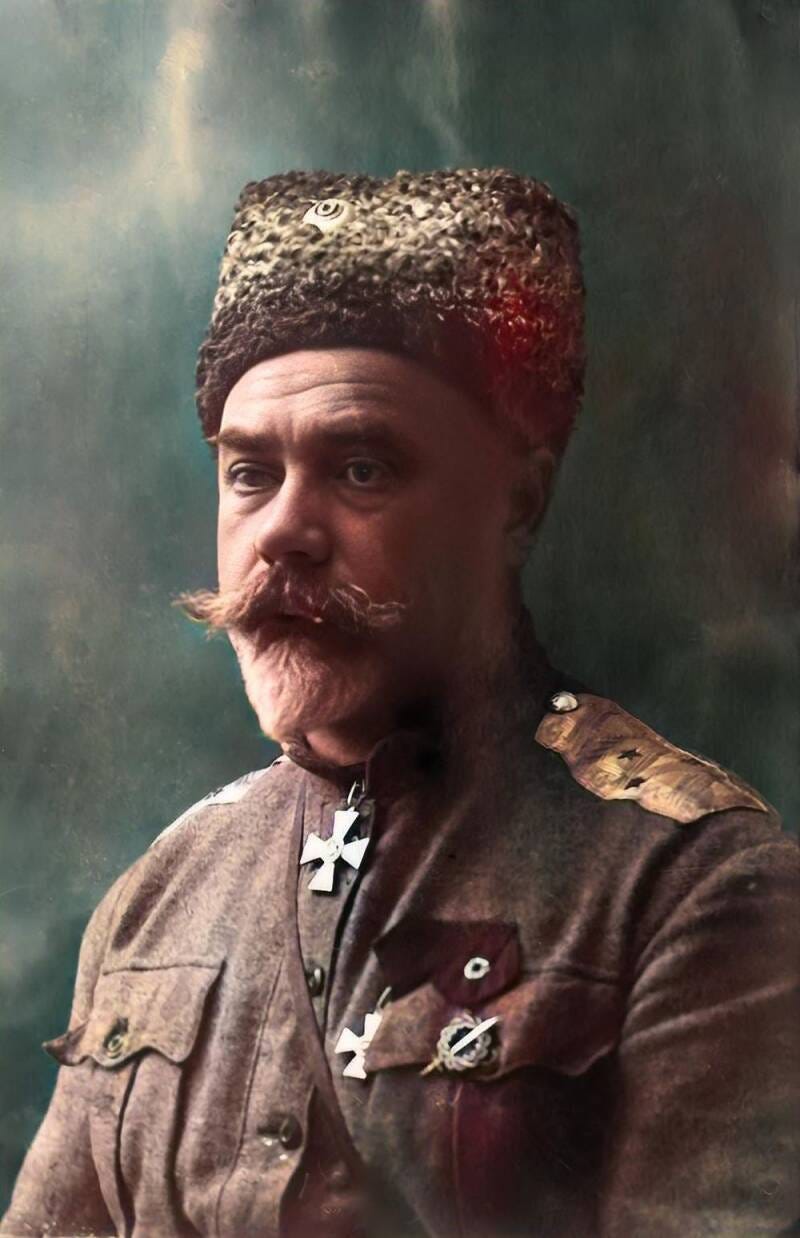
The visage of the decorated commander presented in Is not merely a portrait of military authority; it is the physical manifestation of privatized violence subsidized by a terrified industrial elite. While the traditional historical narrative paints the Freikorps as a spontaneous gathering of disillusioned World War I veterans seeking purpose in a shattered empire, the crisp tailoring of the uniform, the pristine maintenance of the medals, and the unyielding, well-fed stare reveal a heavily capitalized counter-revolutionary apparatus. The traditional state was bankrupt, spiritually and financially, yet these paramilitaries operated with top-tier logistical support, high-grade weaponry, and regular paychecks. The men who pulled the triggers in the streets of Berlin, massacring workers in the name of order, did not buy their own bullets; they were financed by the Anti-Bolshevist Fund, a dark money pool filled by the likes of Hugo Stinnes and the Krupp dynasty. The true architects of this bloodbath are entirely absent from the frame, operating safely behind oak-paneled boardroom doors in the Ruhr valley, signing the checks that bought the executioners of the Spartacist uprising. > “WE BOUGHT THE ARMY BECAUSE THE DEMOCRATIC STATE WAS TOO WEAK, TOO COMPROMISED, TO PROTECT OUR FACTORIES FROM THE VERY MEN WHO BUILT THEM.” Looking closely at the subject’s posture, we see the arrogant confidence of a man who knows his authority stems not from a fragile, newly minted democratic mandate, but from the unlimited checkbooks of industrial syndicates terrified by the existential threat of worker ownership. This commander is merely a high-ranking mercenary, a heavily decorated human shield deployed by capital to prevent the democratization of the economy and to maintain the rigid hierarchies of the pre-war era. The iron cross on his chest is less a symbol of national defense than a corporate logo signifying lethal loyalty to the preservation of elite property rights at the cost of countless working-class lives. By aggressively funding these rogue units, the industrial titans guaranteed that the democratic socialist project would be drowned in its infancy, preempting any legal expropriation of their vast wealth. They constructed an iron fist out of surplus imperial military hardware and desperate, traumatized men, turning the working class’s own brothers against them in a choreographed slaughter that set the grim, violent precedent for the ensuing decades of German history. The meticulous framing of the image brings the reality of this privatization of violence into sharp relief, demanding that we look past the illusion of state authority to see the stark, unvarnished power of capital defending its monopolies through terror. The absence of the financiers in this portrait is the most glaring piece of evidence; it demonstrates a deliberate strategy to launder corporate violence through the aesthetic of nationalist military tradition, shielding the true beneficiaries of the massacre from historical accountability.
Mechanized Extermination in the Urban Theater
The horrifying tableau of mechanized slaughter depicted in
Strips away any illusion of a fair fight during the January Uprising, exposing the raw technological asymmetry that defined the state’s response to the general strike. The state, functioning as the violent enforcement arm of industrial capital, unleashed weapons of mass destruction engineered for the trenches of the Somme against unarmored civilians armed with nothing but political conviction and repurposed hunting rifles. The visual evidence of devastated environments and shattered bodies serves as a testament to the brutal efficiency of redirecting military-grade hardware inward toward domestic populations.

The mangled bodies in the foreground are not casualties of a battlefield engagement, but the victims of a deliberate, mechanized extermination policy aimed at terrorizing the proletariat into total submission. The heavy armor, the relentless machine guns, and the sheer industrial weight of the Freikorps’ arsenal are implicitly present in the devastation left behind, casting a long, bloody shadow over the so-called democratic revolution. > “TO CRUSH A STRIKE OF IDEAS, THEY DEPLOYED THE MACHINES OF APOCALYPSE, ENSURING THE ONLY NEGOTIATION WAS CONDUCTED THROUGH THE BARREL OF A HEAVY CRUISER GUN.” Who is missing from this scene of carnage? The progressive politicians of the SPD, Gustav Noske and Friedrich Ebert, who signed the deployment orders from the
